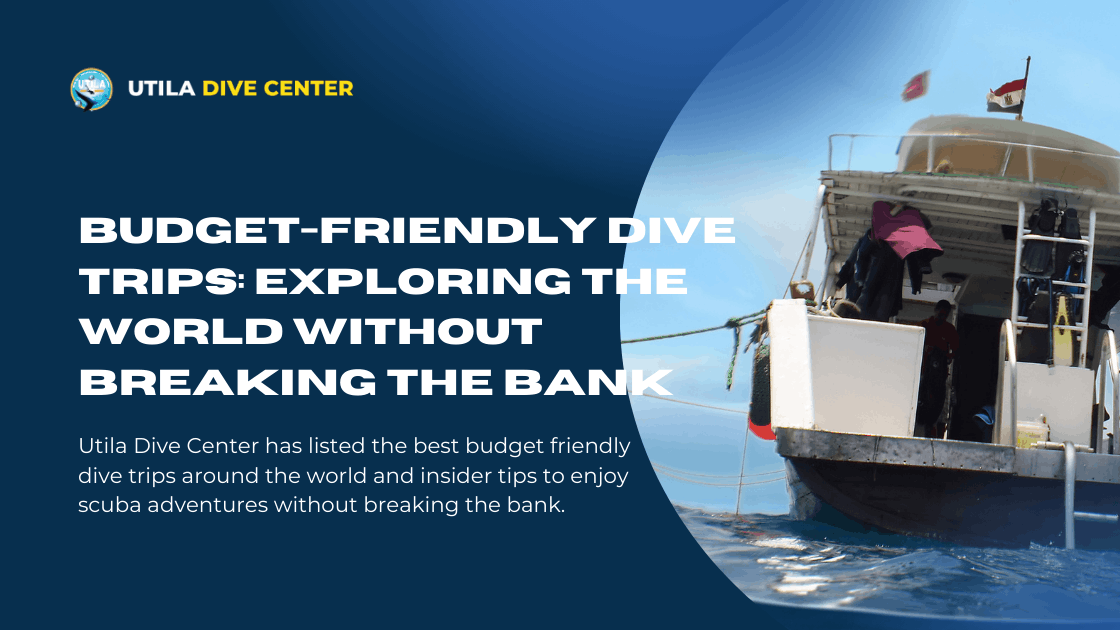
Affordable Dive Trips In World Without Breaking the Bank
Budget-Friendly Dive Trips: Exploring the World Without Breaking the Bank
By: Manny Lagos | Date: 2026-07-15T15:46:47.387Z
We've been running this dive centre on Utila for over two decades now, and we've learned what actually makes a dive trip unforgettable. Spoiler: it's not about how much you spend.
Diving doesn't care about your budget. The fish don't check your bank account before swimming by. And some of the most amazing dive sites happen to be in places where a beer might cost just 50 cents and dinner is three bucks. Funny how that works out.
In this blog, we'll talk about exactly those places, and we'll also share tips for SCUBA diving on a budget, plus some packages and deals that can save you some serious $$$.
Key Takeaways:
- Amazing diving can happen in inexpensive places. You don't need to spend a fortune to experience world-class dive sites.
- If you’re diving on a budget, travel during shoulder season and book local operators. You'll get better deals, fewer crowds, and dive guides who actually know the secret spots.
- Smart planning beats big budgets anyday. Cook some of your own meals, travel with friends, and be flexible enough to grab last-minute opportunities.
Read time: 7-8 minutes
10 Budget-Friendly Dive Trip Destinations
1. Utila, Honduras
We're obviously going to mention our own backyard first. But seriously. Utila is great for affordable dive trips. We're talking dorm beds that are actually clean and included at no additional cost in our fun diving and recreational course packages,$10 meals that feed you until you can't move, the occasional chance to spot whale sharks and other big game if you're lucky.
The island's got this amazing vibe where time moves differently. Nobody's in a rush, which means nobody's trying to squeeze every penny out of tourists in a hurry. Local dive shops compete on experience, not price gouging.
Plus, our water's warm year-round. You can dive in a 3mm wetsuit or even just a rash guard on most days. It's one of the best places to learn how to scuba dive without the hefty price tags you'll find elsewhere.
2. Mexico
Mexico just gets it right with diving. The cenotes are absolutely incredible. You get to swim inside naturally formed wells and crystal-clear, fresh water. Moreover, Cozumel has reefs that have been famous since before most of us were born.
Street food here is unreal. $2-$3-dollar tacos that are better than anything you'll get at fancy restaurants back home. And the Mexican dive community is super welcoming. Bonus points for you if you make any effort with Spanish.
3. Philippines
7,000+ islands means you could spend years here and never run out of new dive sites. Places like Palawan (which has a lot of WWII wrecks) and Bohol are still pretty cheap, and the marine life is insane.
Filipino dive guides are some of the best we've ever worked with. Why, you ask? Well, because they actually care about showing you cool things, not just getting through the dive.
The food's great too, if you like rice (which you better, because you're going to eat a lot of it).
4. Indonesia
Everyone goes to Bali now, which means it's gotten relatively pricier. But places like Lombok or Flores are still awesome for affordable dive trips. The USAT Liberty shipwreck in Tulamben is right off the beach, just walk in and dive. No boat fees.
Plus, Indonesian food from local warungs is incredible. Fresh fish, tons of vegetables, and enough spice to clear your sinuses. All for pocket change.
5. Belize
The Belize Barrier Reef is the second-largest barrier reef system in the world, a UNESCO World Heritage site that stretches over 190 miles along the Caribbean coast of Belize. Then there’s Caye Caulker, an island where the motto is literally “go slow,” and rushing around feels wrong. Good vibes, decent prices, solid diving.
A lot of tourists visit Belize for the Blue Hole, but honestly? The local reef dives are just as amazing and won't destroy your budget. Sometimes, the famous spots are famous for the wrong reasons.
6. Egypt
When you picture the Middle East, “expensive” might be the first word that comes to mind, but Dahab proves that assumption wrong in the best way. The Red Sea diving scene runs on backpacker money. Shore diving is affordable since you're not paying for boats all the time.
And the coral here is spectacular. Some of it's been growing undisturbed for thousands of years, and it shows. You'll also get to reap all those health benefits of scuba diving without even thinking about it - better breathing, less stress, stronger heart. Turns out swimming around coral reefs is pretty good exercise.
- Florida
Sometimes the best diving is in your own backyard. The Keys have great wrecks, and you don't have to deal with international flights exploiting your budget. State park camping keeps accommodation costs minimal, and splitting vacation rentals between friends makes everything even cheaper.
Plus, no language barriers and familiar food. What more can one ask for?
8. Thailand
Koh Tao has been a great budget diving destination since forever. Thai food is amazing and costs almost nothing. You can get a decent room with AC under 30 bucks a night, or a dorm room for even less. What’s more? The people are super nice, and the diving community welcomes newcomers like family.
The island's small enough that you'll recognise faces after a few days, big enough that you won't get bored. Nobody's stressed about the rules of scuba diving here either, you learn them naturally when everyone's just having a good time.
9. Nicaragua
This place has some of the most well-preserved and secluded dive spots in the world! You get to swim with eels, sharks, rays, groupers, and African pompano along the 12 km stretch of reef in the Caribbean Sea. And it’s still kind of under the radar, which means you can plan affordable dive trips here without second thoughts.
10. South Africa
The exchange rate makes South Africa way more affordable than you'd think. Sardine runs, shark cage diving, kelp forests - things that cost a fortune elsewhere become doable here.
Just remember it's winter when it's summer back home. So, bring warm clothes or you'll be cold AND miserable.
Tips to Dive on a Budget
- Travel during shoulder season
Most people get this backwards. They think peak season = best conditions, but shoulder seasons are usually better for diving on a budget. Less crowded dive sites, better visibility, and more personal attention from guides.
Pro Tip: Check diving forums and local weather patterns for accurate information, not travel websites.
- Choose local dive operators
Big resort dive ops charge resort prices for standard dives. But the local operators know spots that aren't in any guidebook. They're more flexible with timing and pricing as well, and your money directly supports the people maintaining these dive sites.
They also know when diving conditions are terrible and will always tell you to skip a day instead of taking your money for a terrible dive.
- Consider longer stays
Most dive centres give better deals for longer stays on dive trips. Plus, you get time to actually learn the local dive sites instead of rushing through everything.
You'll meet local divers who become friends and tell you about hidden gems most tourists have no clue about.
- Travel light and smart
Bring a mask, fins, snorkel, they're light and you know they fit. You can rent everything else locally. Shipping gear internationally typically costs more than just renting it. Besides, trying different gear helps you figure out what you want to buy later.
Affordable Dive Packages and Deals
PADI Open Water packages
Many dive centres bundle certification with accommodation and meals.These deals usually help you save money compared to booking everything separately, and you'll know exactly what your dive trip costs upfront, no surprises.
Group discounts
Travelling with friends is way more fun and cheaper. Most operators give group discounts, and splitting rooms cuts everyone's costs way down. Shared experiences are better experiences anyway.
Season packages
Some dive centres offer seasonal deals with multiple dives, equipment, and sometimes even accommodation. It usually turns out to be cheaper than piecing it together yourself when you’re SCUBA diving on a budget.
Certification combinations
Planning to advance your diving education or to do multiple courses? Bundled courses almost always cost less than individual certifications.
6 Steps to Plan Your Diving Trip on a Budget
Step 1: Decide your budget
Figure out what you can actually spend - flights, accommodation, diving, food, everything else. This keeps you from getting carried away and narrows down where you can actually go for your dive trips.
Step 2: Research off-peak travel times
Every place has busy and quiet seasons. Traveling in off-peak or shoulder seasons can cut costs in half while still giving you great diving on a budget. Don't let scary terms like "hurricane season" freak you out: usually means better deals with manageable weather problems.
Step 3: Compare flight options
Flight comparison sites are just the start. Sometimes flying into bigger airports and driving costs way less than direct flights to smaller ones.
Step 4: Book varied accommodations
Mix it up - start cheap, splurge occasionally. Hostels and guesthouses often give you better connections to local diving communities than fancy resorts.
Step 5: Connect with local dive communities
Join Facebook groups and forums for wherever you're going before you leave. Recent visitors and locals share way better (and honest) information than official tourism sites.
Step 6: Be flexible
Don't plan every single day. Some of the best experiences happen when you're flexible enough to take advantage of last-minute opportunities.
Conclusion
Great diving doesn't require unlimited budgets - just smart planning and knowing where to look for real value when planning SCUBA diving on a budget. From our budget-friendly Caribbean waters here on Utila or somewhere completely different in Southeast Asia, amazing diving exists at every budget level.
The key is picking places where your money goes further, travelling when prices are reasonable, and connecting with local diving communities who actually know what they're talking about.
We've been helping divers make their money stretch for over 20 years here at Utila Dive Centre. The ocean's calling, and it doesn't have to cost a fortune to answer.
Sometimes the best adventures happen when you're not trying to impress anyone, including yourself.
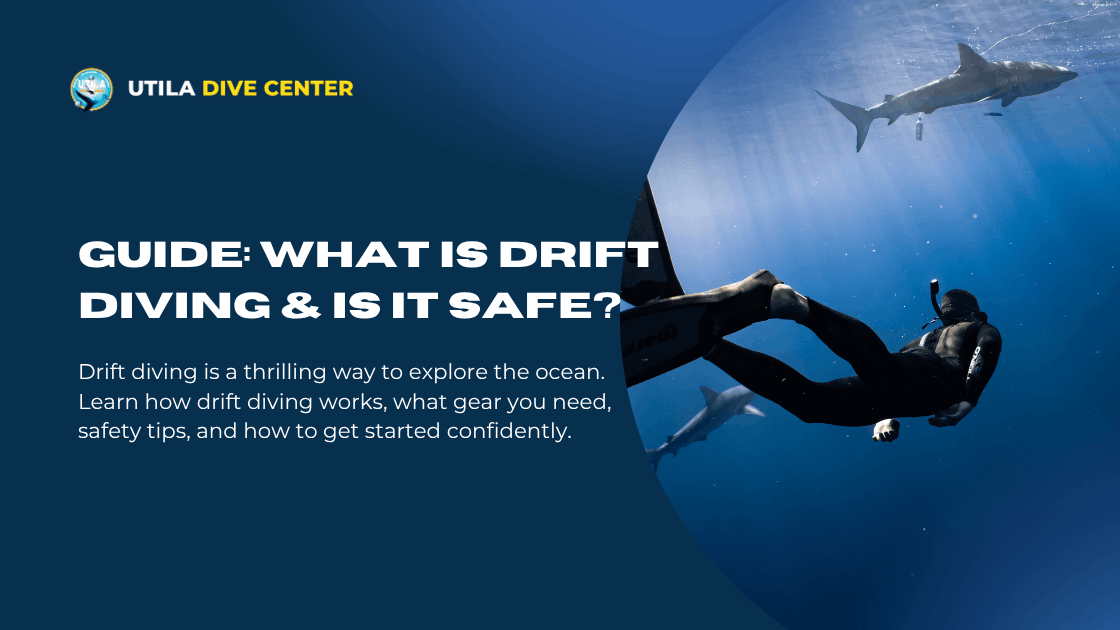
Guide: What is Drift Diving & Is It Safe?
Drift diving is a thrilling way to explore the ocean. Learn how drift diving works, what gear you need, safety tips, and how to get started confidently.
Read more
1 Week Dive Trip to Utila: Ultimate Itinerary for SCUBA Divers
Plan your perfect 7-day dive trip to Utila, Honduras. Uncover the top dive sites, local tips, and budget-friendly options for divers.
Read more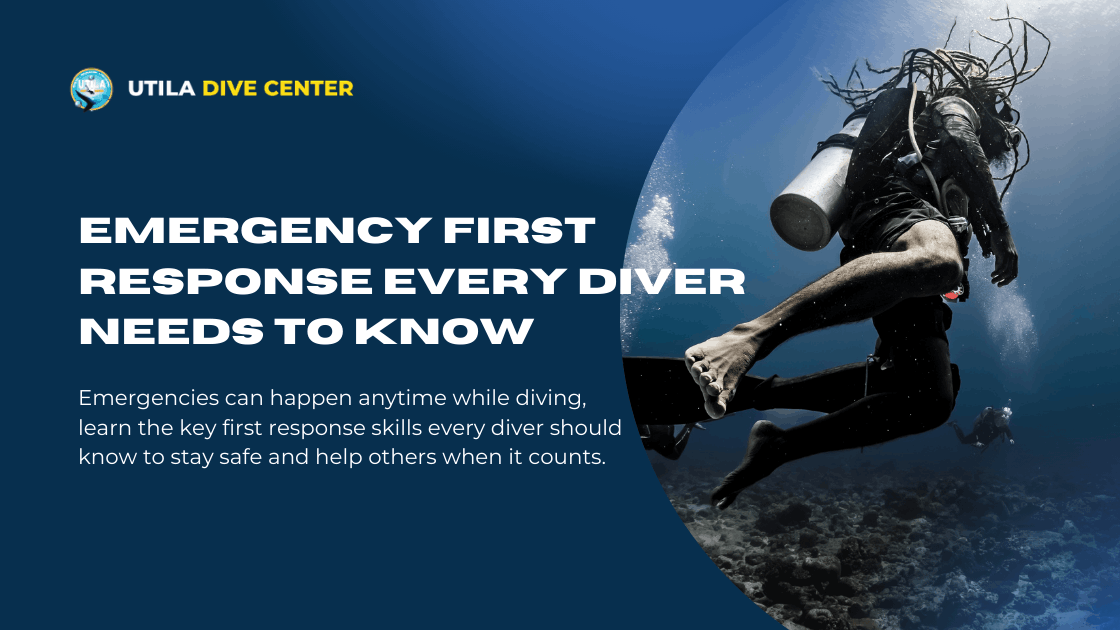
Emergency First Response Every Diver Needs to Know
Emergencies can happen anytime while diving, learn the key first response skills every diver should know to stay safe and help others when it counts.
Read more
The Importance of Equalization Techniques in Freediving
From Frenzel to mouthfill, learn key equalisation methods every freediver should know for safer descents & improved confidence underwater.
Read moreLET'S CHAT!
Whether you’re looking to learn to dive for the first time or want to take the next step and become a Divemaster or Instructor, our team is here to help create a custom package that helps you achieve your goals!