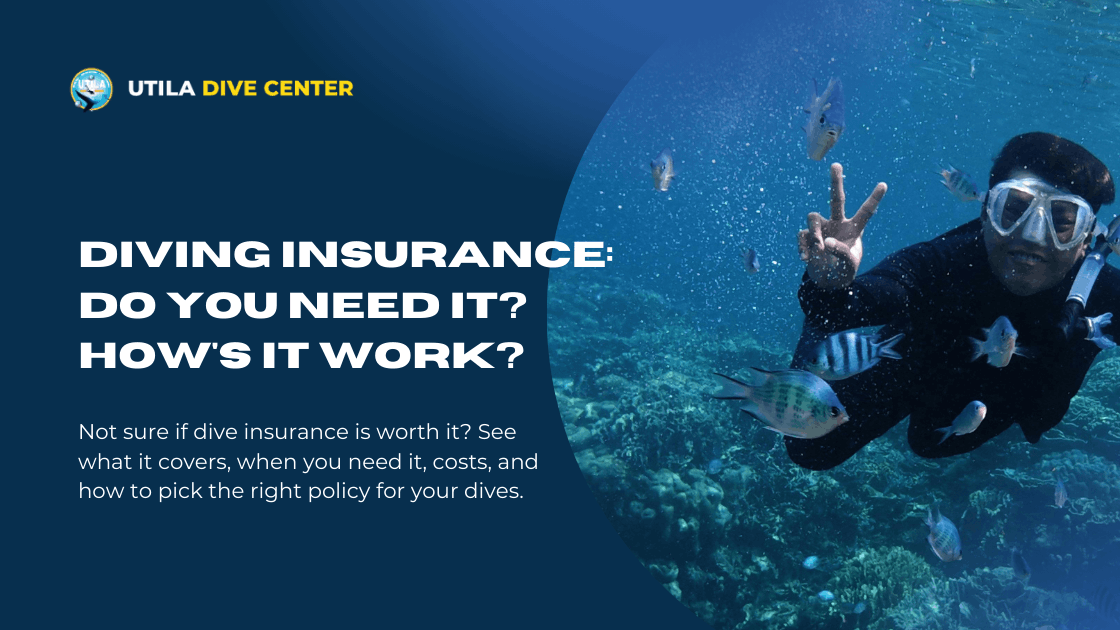
Diving Insurance: Do You Need It? How's It Work?
Everything you need to know about diving insurance is here:
By: Manny Lagos | Date: 2026-01-22T12:41:41.452Z
Imagine this scenario: a diver cuts short his Caribbean vacation after a rapid ascent left him with decompression sickness symptoms. The helicopter ride to the nearest recompression chamber cost more than most people's annual salary. The treatment itself? Another massive bill. His regular travel insurance didn't cover any of it. Pretty rough position to be in, right?
We’ve been running Utila Dive Centre for over 20 years, and we get stories like this all the time. Plus, a lot of people ask us this question: "Should I get dive insurance?" And our answer has always been the same: If you dive more than once in a while, absolutely.
Key Takeaways:
- Regular travel insurance won't cover diving emergencies. Decompression sickness treatment can cost A LOT, and most standard policies exclude diving-related incidents.
- Diving insurance costs $150-$800 annually but protects against six-figure medical bills, emergency evacuations, and equipment losses that could financially devastate divers.
- All divers need coverage regardless of depth. Decompression sickness can occur in just 30 feet of water, and remote dive locations require expensive helicopter evacuations.
Read time: 4-5 minutes
What “dive insurance” means
Diving insurance isn't your regular travel insurance with a diving sticker slapped on it. Standard health insurance might cover you if you break your leg on the boat, but when it comes to decompression sickness or nitrogen-related injuries, most policies leave you hanging.
Real diving insurers know what divers face underwater. That’s why they offer comprehensive dive insurance plans that pay for hyperbaric chamber treatments (those pressurised rooms that treat the bends), emergency helicopter rides from remote dive sites, and medical bills that regular insurance won't touch.
Many policies also cover your gear if it gets stolen or damaged, plus liability protection if something goes wrong. This specialised accident coverage ensures divers get the protection they actually need underwater.
Situations Where Dive Insurance Can Save You
Here are the main scenarios where diving insurance comes in handy:
- Decompression sickness treatment:
The bends can cost anywhere from $20,000 to $100,000, especially with multiple chamber sessions. That’s mortgage money right there. This is also where accident coverage becomes a non-negotiable.
- Emergency evacuation:
A helicopter ride from a remote Caribbean island to the nearest recompression facility can easily hit $50,000. Your regular travel insurance will likely point to their “risky activities” clause and deny coverage.
Good news for Utila divers: We have a recompression chamber right here on the island, so our divers don't face those evacuation costs and delays. That's one major worry you can cross off your list.
- Equipment protection:
Your complete diving setup (BCD, regulator, wetsuit, fins, mask) represents a $3,000 to $5,000 investment. When gear gets stolen or damaged, regular travel insurance usually pays pennies on the dollar.
- Liability coverage:
Accidentally damaged protected coral or caused another diver to get injured? Legal bills add up fast, particularly in destinations where marine conservation carries serious legal consequences.
What Dive Insurance Covers & Not
Now, dive insurance policies vary between providers, that’s why it’s important to read the fine print before buying.
What’s typically covered:
- Transportation to hospitals or recompression chambers
- Medical expenses and hyperbaric treatments with comprehensive accident coverage
- Flight changes if accidents cut trips short
- Lost, stolen, or damaged equipment
- Disability compensation for severe injuries
- Repatriation in case of death (the costs of returning the body to the country of origin in case of a tragedy)
What’s usually not covered:
- Divers over 70 years old
- Pre-existing health conditions like diabetes or asthma
- Technical diving, cave diving, or deep wreck exploration (check with your insurance provider)
- Diving beyond certification limits
- Incidents involving alcohol or drugs
How to Pick the Right Dive Policy
-
Start by looking honestly at how you dive. Weekend reef dives require different coverage than deep wreck exploration or week-long liveaboard trips.
-
Look for medical coverage of at least $1 million because diving emergencies get expensive, really fast. Evacuation coverage needs to be big, unlimited is best, but at least $500,000 minimum. This matters especially if you dive in remote places where helicopter evacuations are the only option.
-
Then consider where you dive. Some policies only work in certain areas, while others cover you worldwide. If you dive in different countries, global coverage is worth the extra cost.
-
Lastly, don’t forget to match your equipment coverage to your gear’s actual value. You can choose lower premiums with higher deductibles or pay more upfront for better coverage with minimal out-of-pocket expenses.
What It Costs & Where to Buy
Diving insurance costs vary significantly based on coverage level and duration.
Annual diving insurance runs from about $150 for basic coverage up to $800 for the works. Short-term policies cost around $20-$50 for a week-long dive trip. If you dive several times a year, annual coverage usually saves money and offers better diving insurance cost value.
DAN (Divers Alert Network) is the gold standard. They understand diving and handle claims well.
Moreover, their annual coverage:
- Is recognised worldwide
- Covers diving accidents and injuries (some plans also cover non-diving and named water sports accidents and injuries)
- Pays 100% of eligible accident medical expenses up to US $500,000
- Includes coverage for divers aged 70 and over
Conclusion
The incredible experiences and health benefits of SCUBA diving are undeniable, but it comes with risks too. A comprehensive diving insurance covers expenses that regular insurance won't, and those bills can bankrupt you.
At Utila Dive Centre, we've seen a lot of divers learn this lesson the hard way. That's why we always recommend proper coverage to our students and certified divers alike.
It costs less than what most divers spend on gear each year but covers emergencies that could cost you everything. So, don’t let a perfect dive vacation turn into a financial nightmare.
And if you want to learn more about diving, get in touch with us today!
Quick FAQs for Divers
-
Is dive insurance required for dive resorts?
Most places don't require it, but strongly recommend getting coverage. However, some technical diving operators and liveaboards do require proof before you can dive.
-
Will Medicare/health insurance cover chamber treatment abroad?
No. Medicare doesn't work overseas, and most domestic health plans give you little coverage for diving emergencies in other countries.
-
Do I need coverage if I only dive shallow reefs?
Yes. You can get decompression sickness in 30 feet of water. It’s important to understand that equipment damage and evacuation costs can hit all divers, regardless of how deep you go.
-
Can I cancel a policy if I’m not diving for months?
Annual policies usually don't let you cancel mid-year for a refund. If you dive irregularly, go for short-term policies instead.
-
Is dive insurance affordable?
Absolutely. Annual coverage costs less than what most active divers spend monthly on boat dives, but protects against expenses that could actually hit six figures.
References:
[1] – DresselDivers.com - Dive Insurance: What Is the Best for You?
[2] – DAN.org - Dive Accident Insurance
[3] – TDISDI.com - Diving Insurance - Do We Really Need It?
[4] – TDISDI.com - 5 Reasons to Buy Diving Accident Insurance
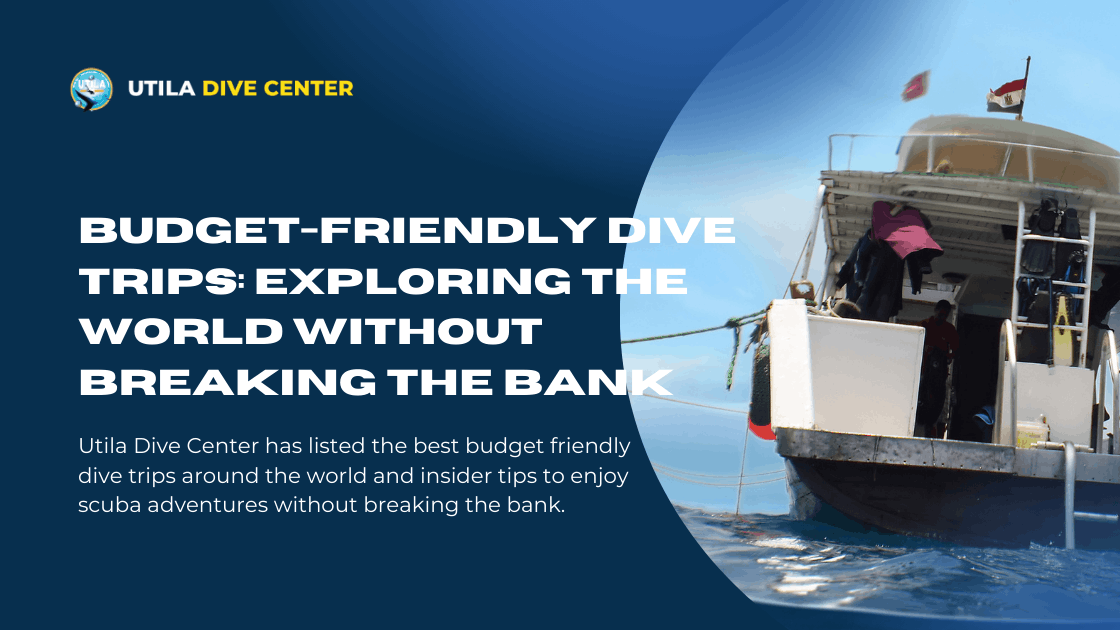
Affordable Dive Trips In World Without Breaking the Bank
Utila Dive Center has listed the best budget friendly dive trips around the world and insider tips to enjoy scuba adventures without breaking the bank.
Read more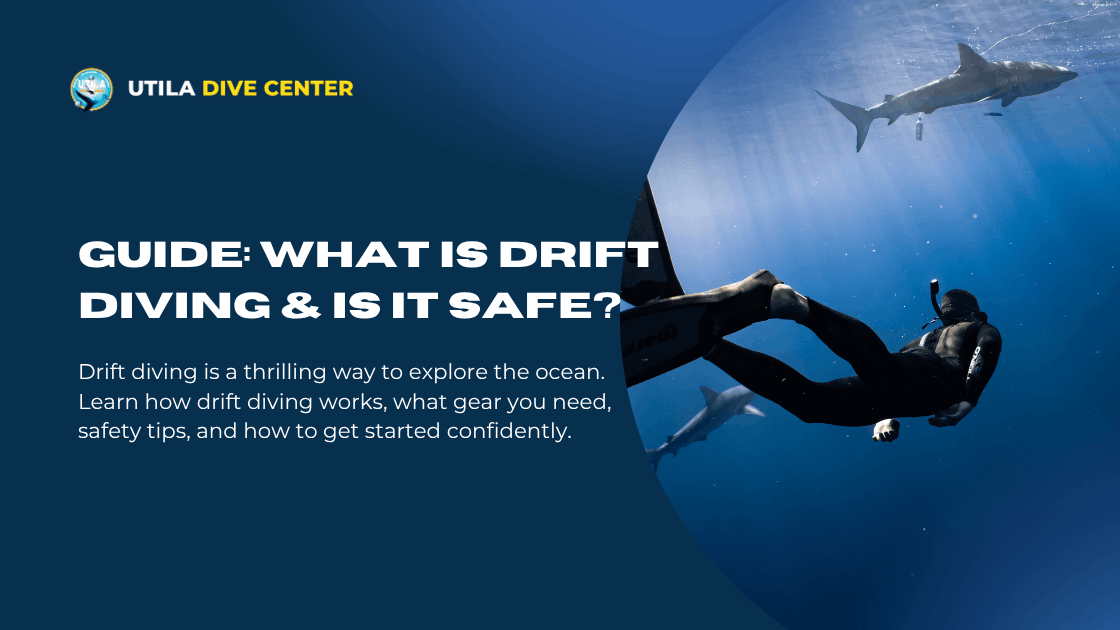
Guide: What is Drift Diving & Is It Safe?
Drift diving is a thrilling way to explore the ocean. Learn how drift diving works, what gear you need, safety tips, and how to get started confidently.
Read more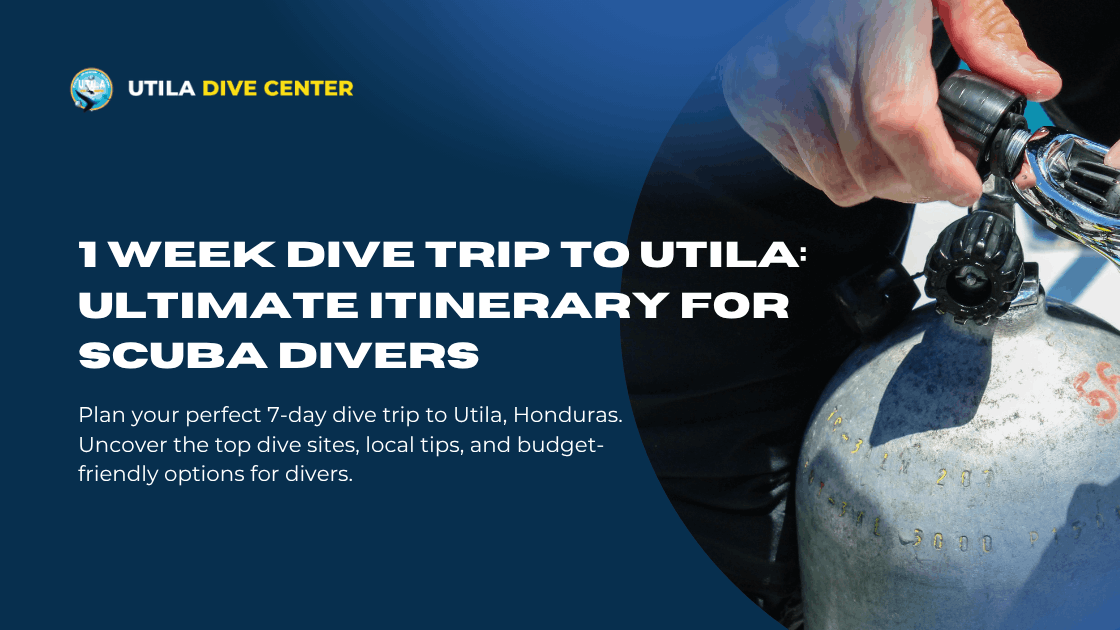
1 Week Dive Trip to Utila: Ultimate Itinerary for SCUBA Divers
Plan your perfect 7-day dive trip to Utila, Honduras. Uncover the top dive sites, local tips, and budget-friendly options for divers.
Read more
Emergency First Response Every Diver Needs to Know
Emergencies can happen anytime while diving, learn the key first response skills every diver should know to stay safe and help others when it counts.
Read moreLET'S CHAT!
Whether you’re looking to learn to dive for the first time or want to take the next step and become a Divemaster or Instructor, our team is here to help create a custom package that helps you achieve your goals!